Ice dams are a Duluth winter reality that every homeowner on the hillside, in Congdon Park, or along the East End eventually faces. The city’s combination of significant snowfall, freeze-thaw cycling driven by Lake Superior’s proximity, and the architectural complexity of its historic housing stock creates near-perfect conditions for ice dam formation along eave overhangs. Heat escaping through inadequately insulated attic spaces warms the upper roof deck, melts the snowpack above, and sends water running toward the colder eave where it refreezes into a growing ice ridge that blocks all drainage and backs standing meltwater beneath shingles and into the roofing assembly beneath.
On Duluth’s craftsman bungalows and colonial revival homes throughout Congdon Park and the Hillside, the steep pitches, dormers, and complex roofline geometries that define the city’s architectural character create multiple ice dam formation zones simultaneously. A single winter storm cycle can produce ice dams at every valley, dormer intersection, and eave overhang on these properties at once, forcing water into multiple entry points before a single interior stain appears. By the time a Duluth homeowner notices ceiling moisture, the damage above has already been compounding through insulation layers and structural framing for days. Perrault Roofers removes ice dams safely using professional steam equipment, repairs the damage they leave behind, and addresses the underlying ventilation conditions that allow them to form in the first place. Call 218-522-8993 today before a frozen eave becomes a structural crisis inside your Duluth home.
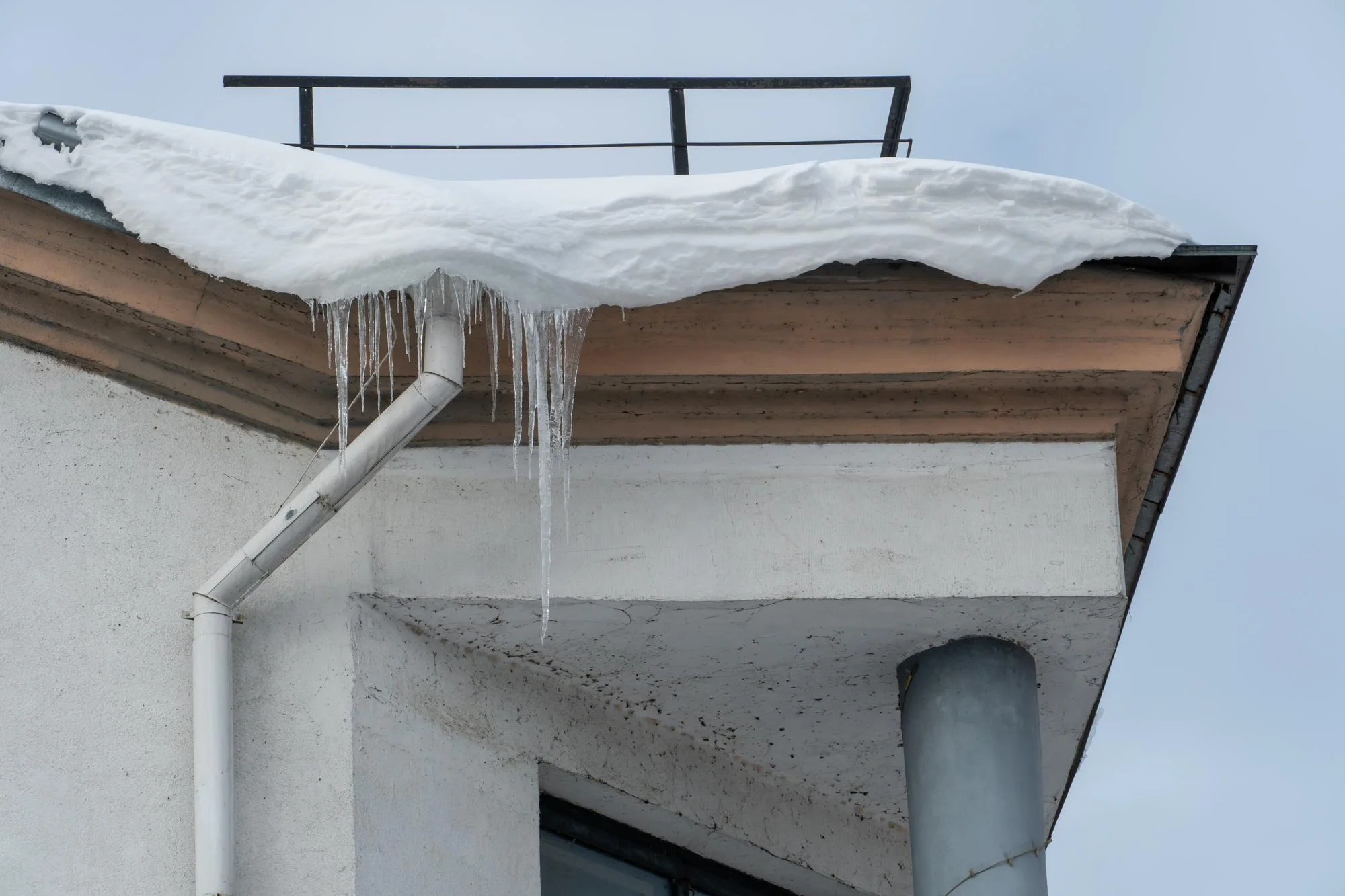
An ice dam forms when heat escaping from living spaces warms the upper roof deck and melts accumulated snow, sending meltwater toward the colder eave overhang where it refreezes into a growing ice ridge. That ridge blocks all drainage and forces standing meltwater to back up beneath shingles, through underlayment, and into decking, insulation, and interior framing. In Duluth, the combination of significant snowpack accumulation, the temperature variability that Lake Superior’s proximity creates through the winter season, and the historic housing stock’s aging insulation and ventilation systems makes ice dam formation a recurring seasonal threat rather than an occasional weather event. Left unaddressed, Duluth ice dams cause rot, mold, saturated insulation, and structural damage that compounds silently through every freeze cycle.
Perrault Roofers uses professional-grade steam and low-pressure removal techniques calibrated to eliminate ice dams completely from Duluth rooftops without damaging the shingles, flashing, or gutters beneath the ice. Mechanical removal methods used by unqualified operators damage shingle surfaces, crack flashing seals, and displace ridge cap materials that then require additional repair. Our steam removal approach clears ice efficiently and safely on Duluth’s steep-pitch historic rooflines, restoring proper drainage and stopping active water intrusion without creating secondary damage in the process.
Ice dam removal reveals the damage that backed meltwater has caused to the roofing assembly beneath. Lifted shingles with broken adhesive bonds, compromised underlayment sections saturated by sustained water contact, damaged flashing at chimney bases and dormer transitions, and decking with early rot from prolonged moisture exposure all require immediate professional assessment and repair. Perrault Roofers inspects the full roofing assembly following ice dam removal on every Duluth property we service, identifying and repairing every damage point before the next freeze cycle arrives and compounds existing vulnerabilities further.
Ice dam damage affects every roofing type present across Duluth’s diverse property inventory, and each requires material-specific repair methodology. Shingle roofs throughout the city’s residential neighborhoods sustain lifted and delaminated shingles, saturated underlayment, and cracked flashing from ice dam water intrusion. Metal roofing systems face seam separation and fastener stress from ice formation and expansion forces. Flat roofing sections on Duluth commercial and mixed-use properties sustain membrane damage from ice accumulation and the drainage failures that ice dam conditions create at drain penetrations. Perrault Roofers repairs all three roofing types using industry-leading materials rated for North Shore winter performance.
When a Duluth ice dam is actively driving meltwater into your home and interior damage is occurring in real time, emergency tarping provides immediate protection while full ice dam removal and permanent repair services are scheduled. Perrault Roofers deploys emergency tarping across Duluth’s hillside neighborhoods with the response speed that an active interior water loss demands. Do not wait for the ice to melt naturally while water continues entering your home. Call 218-522-8993 immediately for emergency response when an ice dam is actively causing interior damage.
Years of hands-on roofing expertise ensure every project is done right the first time.
We use trusted, industry-leading materials for long-lasting durability and performance.
No hidden costs—just clear estimates and straightforward communication.
We complete projects on time while maintaining the highest quality standards.





Why are ice dams so common on Duluth's older historic homes specifically?
Can I remove an ice dam myself on my Duluth home?
How do I know if an ice dam has caused interior damage in my Duluth home?
Does homeowners insurance in Minnesota cover ice dam damage in Duluth?
What causes some Duluth homes to form ice dams every winter while neighboring properties do not?
Can Perrault Roofers address the underlying ventilation issues that cause ice dams on Duluth homes?
How quickly do ice dams cause interior damage in Duluth homes once they form?
Is ice and water shield installation effective at preventing ice dam damage on Duluth homes?
How do I prevent ice dams from forming again on my Duluth home next winter?
How do I schedule ice dam removal and repair in Duluth?